When choosing real estate in Turkey, one of the most important considerations is the region's seismic safety.
Mersin is considered one of the safest cities on Turkey's Mediterranean coast in terms of geology and tectonic activity.
Earthquake of February 6, 2023: How Mersin fared
On February 6, 2023, a devastating earthquake of magnitude 7.7 and 7.6 struck Turkey, affecting the southeastern provinces of the country.
In this case:
- There were no destructions of houses in Mersin
- Modern residential complexes were not damaged
- The city continued to function normally and became a stronghold of security in the region.
- After 2023, many people from cities affected by the earthquake moved there permanently.
This fact became further confirmation of the region’s stability.
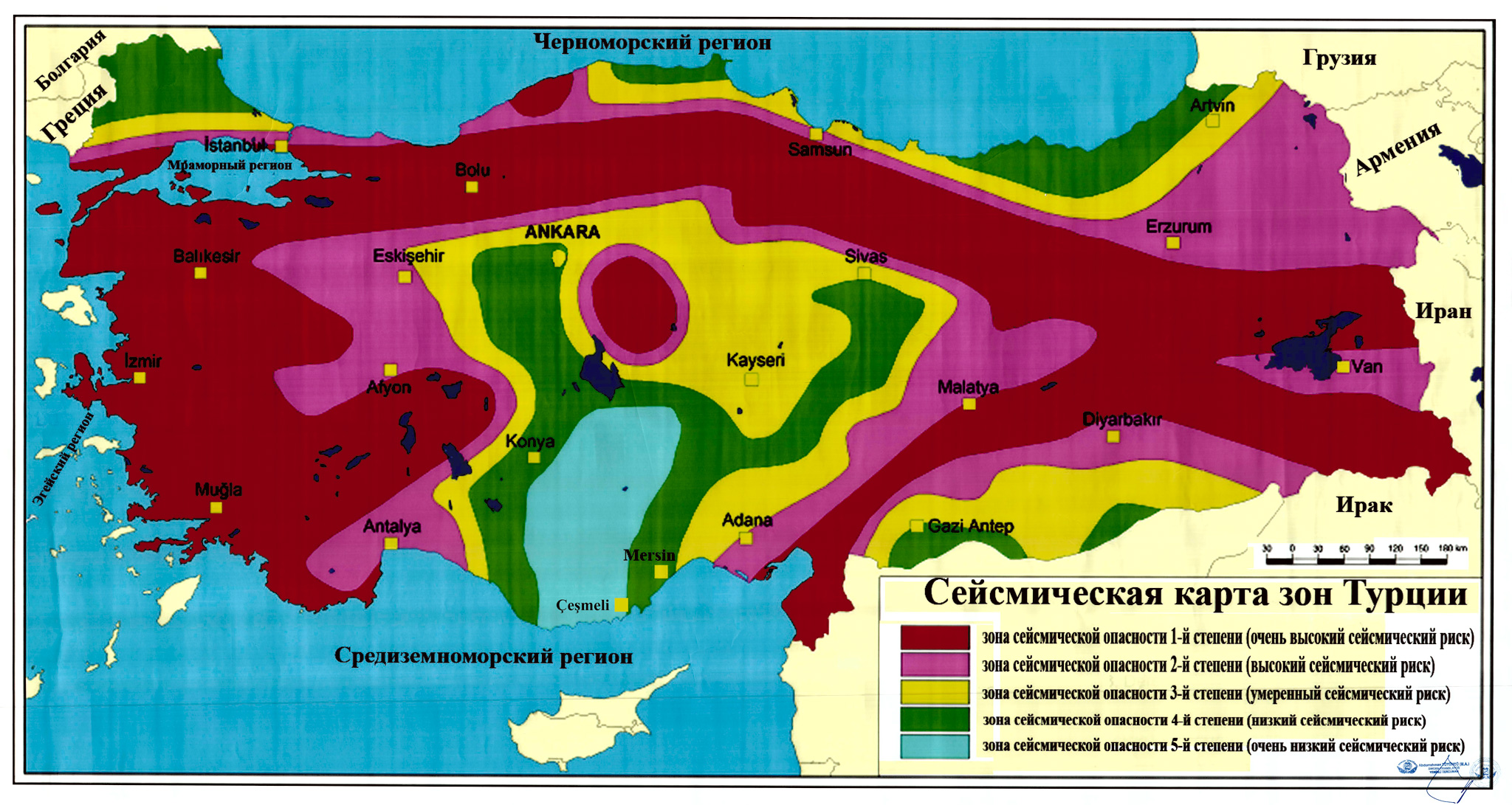
Mersin Seismic Zone
According to Turkey's official seismic zone map, Mersin is classified as a moderate-risk area and is not located on active faults like the North Anatolian Fault near Istanbul.
By comparison, Istanbul is considered a more seismically active region, but building codes in Turkey are uniform throughout the country.
Building codes in Turkey are uniform and strict
Regardless of the region, modern earthquake-resistant construction standards are in force in Turkey (updated after 2018):
- calculation of structures taking into account seismic loads
- monolithic reinforced concrete frames
- mandatory engineering checks
- obtaining a permit for commissioning (Iskan)
This means that new buildings in Mersin are built to the same seismic standards as buildings in Istanbul.
Mersin's historical monuments are proof of the region's resilience
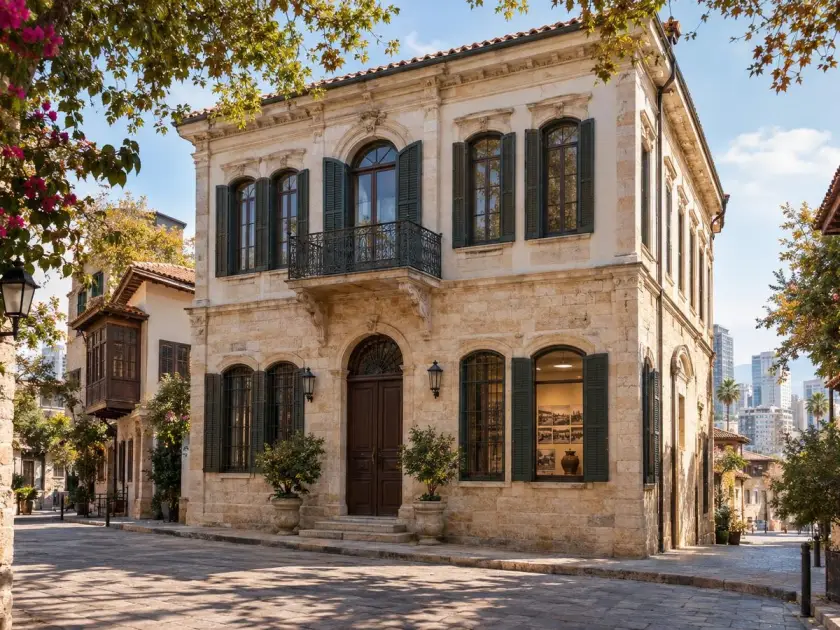
Further evidence of the region's stability is the large number of historical sites that have survived over the centuries.
In Mersin and its surroundings you will find:
- Maiden's Fortress (Kızkalesi) - XII century (about 800 years old)
- Mamure Castle (Mamure Kalesi) – founded in the 3rd–4th centuries, fortified in the 13th century (more than 1,700 years of history)
- The ancient city of Soli-Pompeiopolis – 3rd century BC (more than 2200 years old)
- Kanlydivan (Canytelis) - Hellenistic and Roman periods (2nd century BC)
- Ruins of the ancient city of Uzungaburch (Diocaesarea) – 2nd century BC.
- Church of St. Thekla (Aya Tekla) - 4th century AD.
These historical monuments have survived for centuries, having survived various natural processes, which further confirms the absence of catastrophic seismic activity in the region.
Why Mersin is considered safe to live in
- The region is not located on an active fault line
- No damage during the 2023 earthquake
- Modern building standards
- A large proportion of new housing stock
- Historical buildings that have survived for centuries
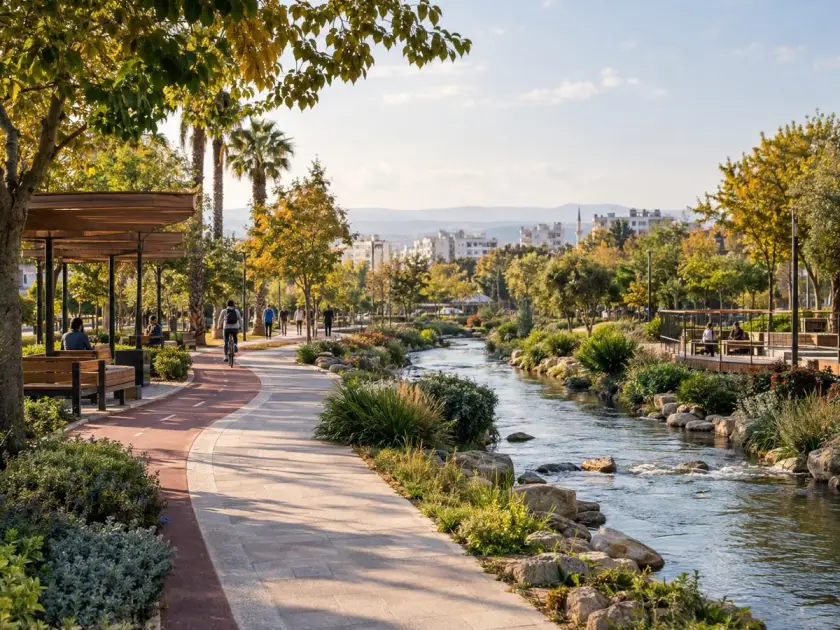
Many families choose Mersin for permanent residence precisely because of the combination of a mild climate, developed infrastructure, and relative seismic stability.
Is it safe to buy property in Mersin?
When purchasing real estate in Mersin, it is recommended to pay attention to:
- year the house was built
- availability of ISKAN
- compliance with building codes
- the developer's reputation
Modern residential complexes in Mersin are designed taking into account the current seismic requirements of Turkey.
Conclusion
Mersin is:
- moderate seismic zone
- no destruction in 2023
- unified strict building codes
- centuries-old historical monuments that have survived to this day
Based on a combination of factors, Mersin is considered one of the most stable and safe regions on the Mediterranean coast of Turkey for living and buying real estate.
The seismic activity map of Turkey can be viewed below.