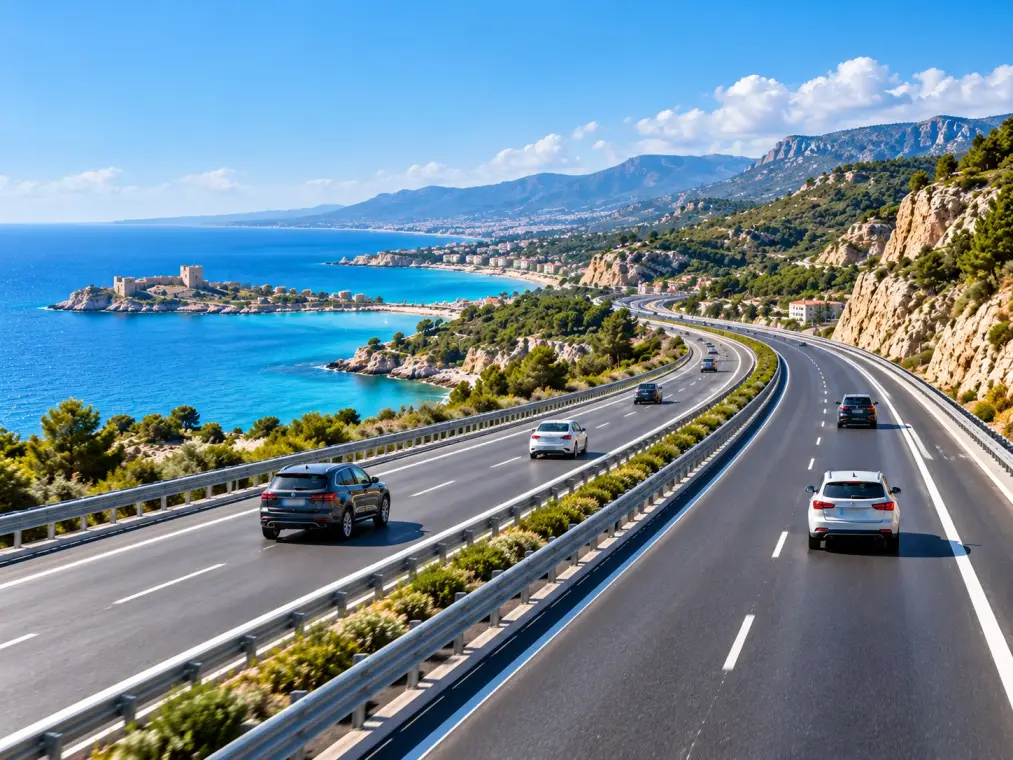
Mersin is not only the sea and modern residential complexes, but also one of the oldest regions of Turkey with a rich historical heritage.
Here, history isn't found in museums—it literally surrounds you in everyday life.
Maiden's Fortress is the symbol of Mersin
Kız Kalesi is one of the most recognizable landmarks in the region.
- Built in the 12th century during the Byzantine era
- Situated on an island 200 metres from the shore
- The fortress served as a defensive structure and port control.
- Today it is a popular destination for holidays, beaches and real estate investments.
The ancient city of Soli-Pompeiopolis
Soli Pompeiopolis is an ancient city founded more than 2000 years ago.
- Founded in the 7th century BC.
- Flourishing - Roman era
- The main attraction is the colonnaded street, which has survived to this day.
- The nearby area is being actively developed and is of interest to investors.
Tarsus - the birthplace of the Apostle Paul
Tarsus is one of the most ancient cities in the world.
Key objects:
- St. Paul's Church
- St. Paul's Well
- ancient Roman roads
The city's history goes back more than 3,000 years.
It is a centre of pilgrimage and tourism, which increases the demand for rentals.
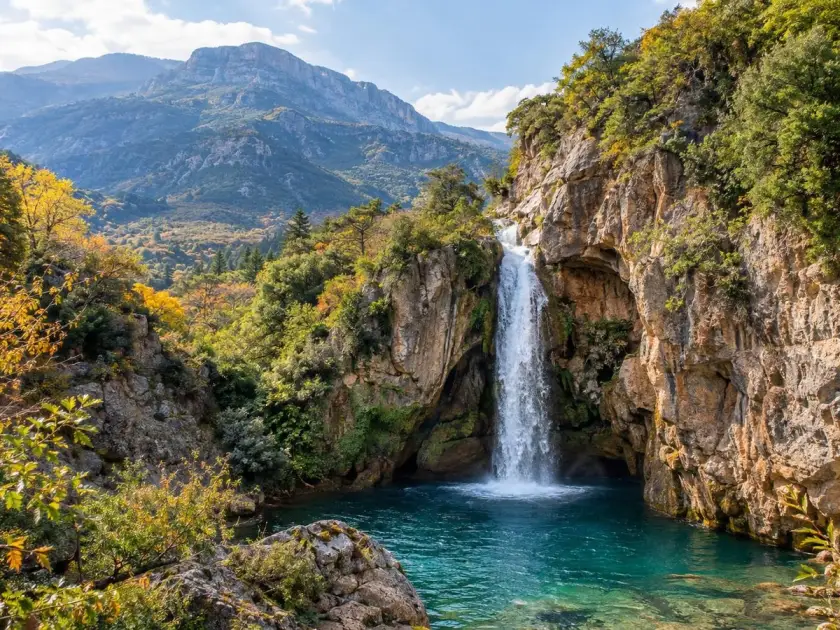
The caves "Heaven and Hell" (Cennet ve Cehennem) are a unique natural and historical complex.
- Age - thousands of years
- They were used in ancient times as places of worship
- There is an ancient church in the Paradise cave.
Archaeological heritage of the region
Mersin and its surroundings are:
- dozens of ancient cities
- Byzantine fortresses
- Roman roads
- Ottoman architectural objects
Many monuments are well preserved, confirming the stability of the region and the absence of destructive earthquakes in history.
Why is this important for life and investing?
Historical heritage is not only beauty, but also:
- high tourism potential
- a constant flow of tenants
- prestige of the region
- rising real estate values
Neighborhoods near landmarks traditionally grow in price faster.
Mersin: An Undervalued Market with Historical Value
Unlike popular resorts:
- there are no inflated prices here
- infrastructure is actively developing
- interest from foreigners is growing
- there is real growth potential
At the same time, the level of historical and cultural heritage is comparable to the top regions of Turkey.
Real estate in Mersin is a life with history
When you buy property here, you get:
- sea and mild climate
- unique historical environment
- a comfortable living environment
- investment potential
Looking to buy an apartment close to Mersin's best attractions?
INCOME MERSIN will help:
- choose a promising area
- find a property for investment or life
- calculate profitability
- conduct a transaction online
Leave a request - we will select the best offers.