The province of Mersin is the cradle of many civilizations, being the main location of the Roman Empire. Being a province of Byzantium, this region has preserved hundreds of dwellings, thousands of burials, dozens of palaces and fortresses, as well as dozens of Christian churches, which exist to this day alongside mosques. Architectural monuments aged up to 2-2.5 thousand years are perfectly preserved, since Mersin is the only seismically safe region in Turkey.
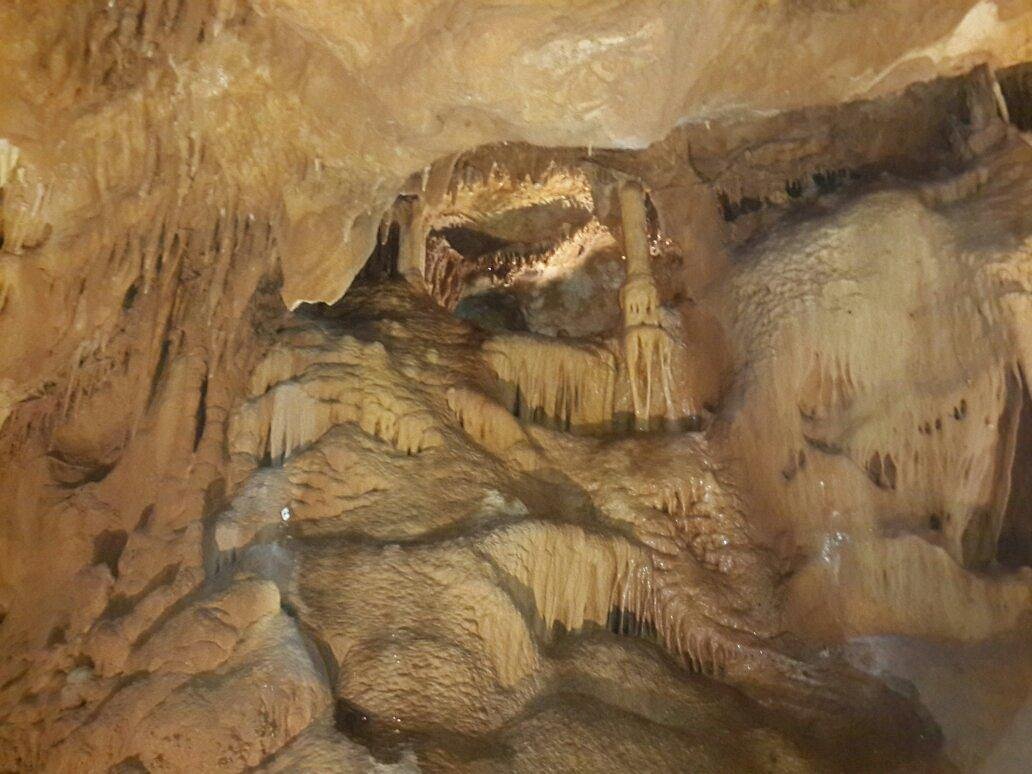
 There are many shrines in Mersin, places of power revered by people of different nations, confessions, even atheists and bioenergetics recognize the invisible power to the human eye. One of these places is the Cave of Paradise and Hell (Janet - Jahannem). Here flows a mythological river, where the mother bathed Achilles, holding him by the heel. After bathing, he became invulnerable, except for one place that was not dipped in water - the heel. Today, people from all over the world come here to be healed in the miraculous water, and to make wishes in the Cave of Paradise. However, not everyone is destined to immerse themselves in the mysterious river. The place seems to 'not let in' some people, and even descending the ancient staircases, of which there are 450, the river may 'not appear' to you. The river can appear and disappear in the depths of the earth at any time. The cave has the appearance of a natural temple, where you can find holy images in the rocks and see or photograph angels (phantoms). The energy, beauty, and grandeur of this place are difficult to describe. Therefore, we recommend everyone to visit the Cave of Paradise and Hell.
 P.S. The author of this text has repeatedly observed the 'playful' behavior of the river and there are hundreds of testimonies, including scientific ones, speaking about the high energy of this place, which can be judged by thousands of eyewitnesses whose wishes have come true and who were able to photograph angels with their camera.
In the province, from the point of view of religious tourism, there are two main buildings.
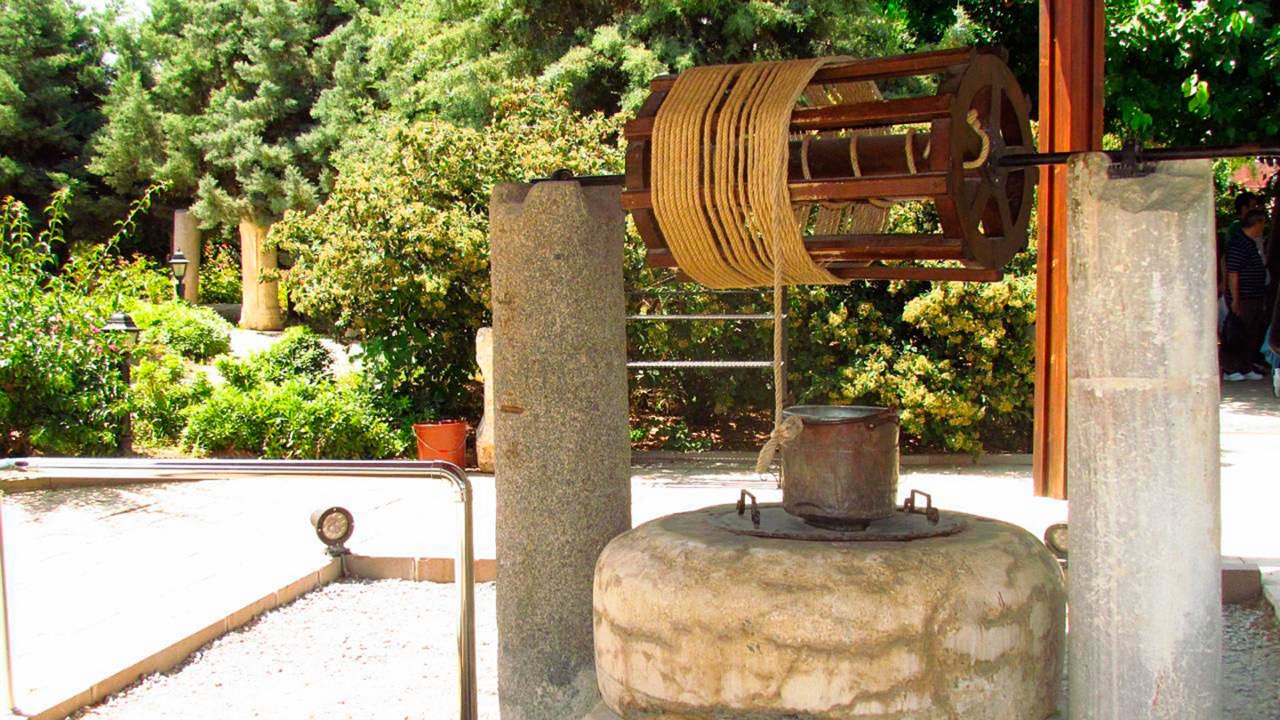
The first of these is the Apostle of Jesus Christ St. Paul's Cross Site House, Church and Well, located in Tarsus and recognized by the Vatican.
Saul, the future Apostle Paul, was born in Tarsus into a family of Hellenized Jews. According to biblical tradition, on the way to Damascus, Saul was struck by a bright light from heaven and heard an unknown voice: "Saul, Saul! Why are you persecuting Me?" - after which he became blind. The people who were with him led him to Damascus, where the Christian Ananias healed him. Struck by what had happened, Saul came to believe in Christ and was baptized. After he converted the Cypriot proconsul Sergius Paulus to Christianity, Saul began to be called Paul.
The Apostle Paul preached in his hometown of Tarsus, where he gained many followers. The house where the Apostle Paul once lived in Tarsus has not been preserved. However, a well located near it, now called St. Paul's Well (St. Paul Kuyusu), has survived to this day. Already in the early centuries of Christianity, it became a place of pilgrimage, and the water from it was considered holy and was attributed with healing properties.
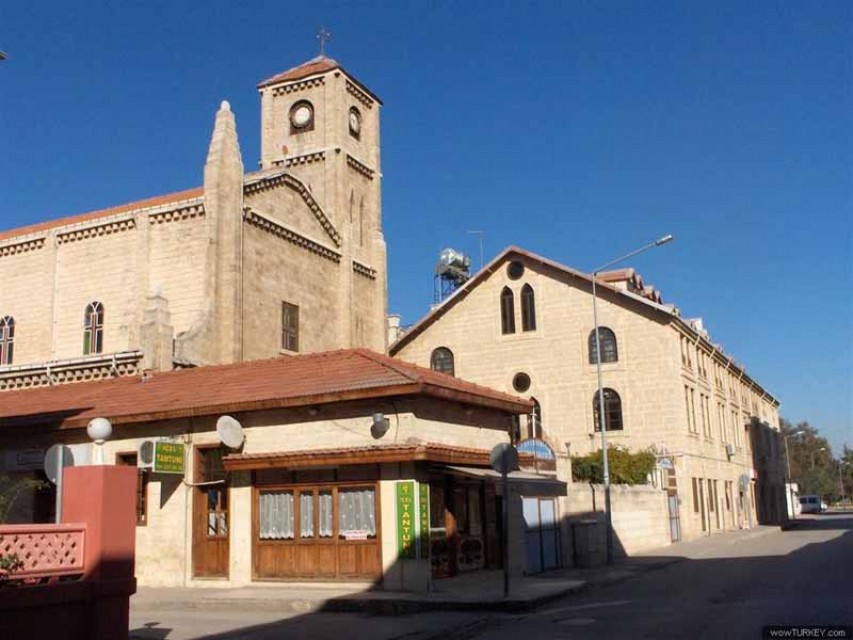
Another important pilgrimage site was St. Paul's Church. It is believed that the first temple on its site was built in the 4th century during the reign of Emperor Constantine. Later, it was destroyed during the wars with Muslims and rebuilt by the Crusaders at the turn of the 11th-12th centuries. At that time, pilgrims traveling to the Holy Land considered it their duty to stop in Tarsus.
The second building is the Aziz Aya Tekla (Meryemlik) declared a Holy Site in the early Christian period - the Church of St. Thekla, a building located in Silifke / Bashuju and recognized by both the Muslim and Christian worlds as a place of religious visits. Also within the province is the Cave of Tarsus Ashaby Kef (Cave of the Seven Sleepers, People of the Cave).
The tradition of the "Seven Sleepers" exists in both Christian and Muslim traditions.
The Islamic version of the legend of the young sleepers is well known in the Muslim world, as it is quoted in the Quran. The Islamic version of the legend also mentions a faithful dog that accompanied the young people on their way to the cave and slept at its entrance. People passing by saw the sleeping dog and were afraid to look inside, thinking that it was guarding the secrets of the cave.
According to the Christian version of the legend, there were seven young people who were accused of belonging to the Christian community during the period of persecution. Then a group of young men fled the city and hid in a cave. When they were found sleeping in the cave, the entrance was sealed by order of the emperor. Many years later, Christianity turned from a persecuted religion into an official state religion. More than 250 years later, when Christianity became the official state religion, the emperor decided to demolish the entrance to the cave. What was his surprise when inside he saw seven sleeping men who had not aged a day. They woke up confident that only a day had passed.