
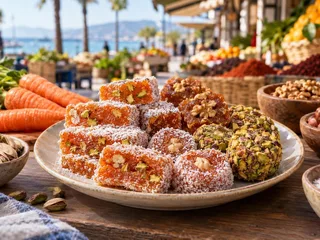
Cezerye is one of the sweets associated with the gastronomic image of Mersin. But the name appears on a wide variety of packaging, and the registered Mersin Cezeryesi is not just a carrot sweet: it has established geographical boundaries, preparation methods, and labeling regulations. We explore what this delicacy is made of, the different shapes, and what you can read on the label.
How is Mersin cezerye different from a simple carrot dessert?
Mersin Cezeryesi is registered in Turkey as a geographical indication (GI) of the mahreç işareti type. Simply put, it's a sign that links a product to a specific territory and the reputation built there. The registry specifies the geographical boundary—the province of Mersin; the specification also states that the production stages of the registered product take place within these boundaries.
The word "cezerye" refers to a type of sweet, while Mersin Cezeryesi is a specific registered name. The registration is linked to the Mersin Chamber of Commerce and Industry, which coordinates compliance monitoring.
Carrots, sugar, spices and nuts: what's included
The base of this sweet is carrot pulp with added sugar. The specifications list crystalline beet sugar, water, and citric acid, as well as spices such as cinnamon, ginger, turmeric, cloves, allspice, and other additives. The document lists nut varieties such as pistachios, hazelnuts, and walnuts; the products are coated with coconut flakes.
Mersin cezerye combines a carrot-sugar base with the aroma of spices, while nuts provide a distinct flavor accent.
Leaf or ball form: what are the varieties?
The specifications distinguish two distinct formats: sheet and ball. Sheet cezerye is cut into slices; balls are hand-formed and decorated with nuts. Both formats are available with pistachios, hazelnuts, and walnuts. These are variations of the same sweet, so it's convenient to choose the shape based on serving method, and the nut based on flavor.
How to choose a cezerye and read the label
A product with a registered name must display the Mersin Cezeryesi logo and the mahreç işareti emblem. If these cannot be displayed on the packaging, they must be clearly visible in the retail space. Before purchasing:
- Find the name Mersin Cezeryesi and the corresponding logo and emblem.
- Check the manufacturer's details or registered trademark and batch number.
- Choose the shape - slabs or balls - and the nut variety.
- Read the ingredients on the specific package; if you have an allergy, also check for possible traces of other nuts.
- Check the expiration date and storage and transportation conditions specified by the manufacturer.
What is said about storage
The specification calls for storage in a cool, dry place. For warehouses, a temperature of 18–22°C and a relative humidity of 50–60% are specified; the shelf life section states up to six months in unopened packaging protected from moisture, air, and light. For purchase and shipping, please refer to the specific packaging information: these guidelines do not imply the same shelf life for all products and storage conditions.
Sweetness as part of Mersin's gastronomic memory
The Turkish Ministry of Culture and Tourism's cultural portal links the history of the cezerye in Mersin to the master craftsman Halil Usta, who, according to this essay, began making it in 1961. The story is based on the 2005 Mersin Yearbook, published in February 2006; it describes the history of the craft, not the shop's current operations.
Sources and date of editorial review
TÜRKPATENT: Mersin Cezeryesi, registration no. 44 — specification amendment published on 15.08.2025; Kültür Portalı: Mersin Mutfak Kültürü — updated on 06.09.2020. Sources reviewed, information verified by the editorial board on 03.11.2026.