You can start your acquaintance with the center not with a map, but with a museum exhibition
Mersin is often recognized through its waterfront, modern neighborhoods, and trips to the sea. To understand the old part of the city, it's useful to learn about the commercial and social life and the institutions that left their mark on the city. The Mersin History Museum (Mustafa Erim Mersin Kent Tarihi Müzesi) in the central Akdeniz.
This isn't a museum focused on a single period: the exhibition combines urban chronology, educational history, photographs, documents, and materials about the buildings, religious life, and people associated with Mersin. The museum provides cultural context before exploring the surrounding area and helps us see the center as a space that has changed along with the city.
A house with history itself becomes part of the exhibition
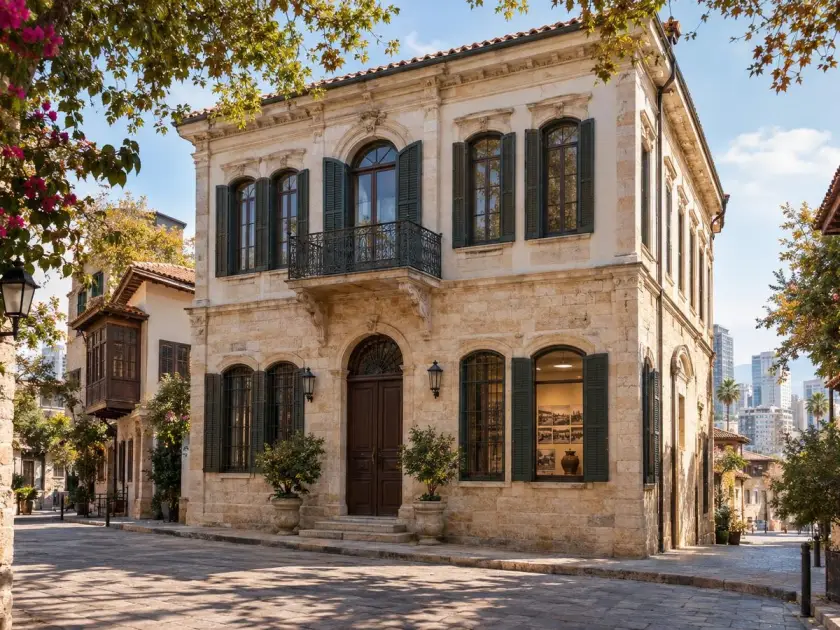
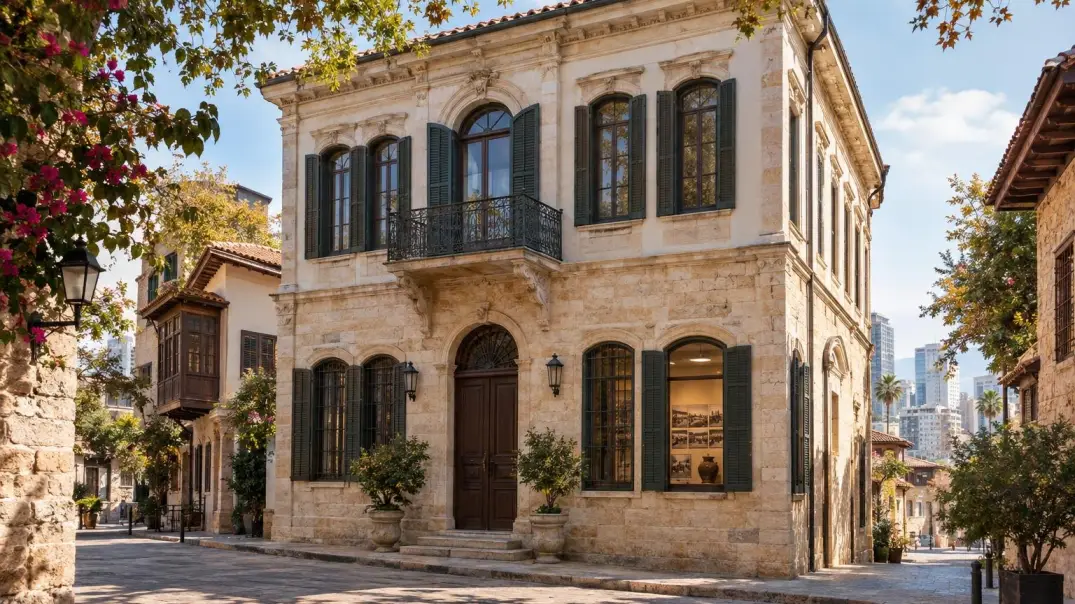
The museum is housed in a traditional urban building, which, according to the Mersin Provincial Directorate of Culture and Tourism, is an example of civil architecture dating back approximately one and a half centuries. The rapid changes of the second half of the 20th century also affected Mersin, so relatively few similar buildings remain. It's not just the objects that are important here: the use of a historic building for cultural purposes also speaks to the city's attitude toward heritage.
The building was restored and adapted for use as a museum. The institution received private museum status from the Ministry of Culture and Tourism and opened on September 4, 2010. At the time of the inspection, on October 8, 2026, the official website described the exhibition in detail but did not provide an up-to-date schedule. Before visiting, please check whether the museum is open and what conditions apply.
What the museum displays: not just memorabilia
The section on the history of education presents materials from approximately seventy elementary schools in the central and regional areas of the province: diplomas, textbooks and supplies, photographs, teacher records, and student report cards from 1881 to 1940. They offer a glimpse into the daily lives of students and families, alongside dates and official events.
Other sections are devoted to the liberation of Mersin, local participants in the national movement, fortresses, mosques, and churches, as well as individuals who contributed to the city's cultural, artistic, and social life. Atatürk's visits to Mersin from 1918 to 1938, according to the official description, are presented historically and through photographs.
The section on urban history invites you to imagine a stroll through Mersin in the first half of the 20th century: shopping and public centers are shown in photographs and maps. This helps you see the connections between the old urban structure and the current center, although it doesn't replace a walk along modern streets.
Another section is dedicated to Yümük Tepe. According to the museum, the materials tell of various periods and finds associated with the hill, whose excavations began in the 1930s. The history of Mersin encompasses not only the architecture of recent centuries but also the earlier layers of settlement in the region.
How to combine a visit with a walk around Akdeniz
The museum is located in the Camiserif mahalla, in the central part of Akdeniz; its official address is on Uray Street. For a walk through the historical environment, you can mark old buildings and religious monuments on the map, as documented by the regional cultural directorate. For example, its Akdeniz information page mentions the Bezmialem Valide Sultan Fountain near the Old Mosque: the fountain dates back to 1861, while the mosque was built in 1870.
Don't rely on a fixed walking route or time: it's worth checking the accessibility of buildings, maintenance, operating hours, and ease of passage before you set out. Start with the museum, and choose subsequent stops based on the local situation and your interests.
The museum showcases documents, people, and community centers, while the streets reflect the current rhythm of the neighborhood. If you're interested in school life, religious architecture, urban plans, or early history, you can search for specific materials on these topics.
What to look for when evaluating a neighborhood for everyday living
A historic atmosphere is appealing, but a single cultural institution doesn't determine the convenience of a particular address. After your visit, walk the surrounding streets and evaluate them in light of your daily life: shops and services, liveliness, ease of walking, accessibility, and the atmosphere at different times of day.
If you're considering real estate in Akdeniz, don't transfer the impression of the museum to the neighboring buildings. Building condition, noise, parking, common areas, and actual routes vary depending on the specific street and property. A central location can mean proximity to city institutions and the historic environment, but it also offers a different pace than new residential neighborhoods.
- Compare the apartment address with your daily routes, not just with cultural points of interest.
- Look outside on a weekday and in the evening: activity and noise may differ.
- Assess the condition of the home and common areas separately from the age of the surrounding buildings.
- Check the availability of the services you need and whether they are within walking distance.
- Check the current opening hours and access to a specific historical site.
Practical restrictions before the visit
The museum's official website provides a description of the collection and a contact address in the Jamisherif district, but does not list current visiting hours. Don't rely on old reference books or general museum schedules: they may be out of date or refer to a different institution. Check with the museum or regional cultural department in advance to confirm availability.
Mentioning a monument in an exhibition doesn't mean it can be visited: the building may have a different function, and information about city landmarks isn't the same as opening hours. The museum's website also doesn't confirm the availability of tours, guides, or a specific format for viewing the exhibits. Please inquire separately about any conditions that are important to you.
The Mersin History Museum helps us see the old city center as a space with educational, social, and commercial memory. It's a cultural reference point for exploring Akdeniz, not a standalone recommendation for housing here: the decision depends on the specific address, the building, and your habits.
If you're exploring different areas of Mersin for living or relocating, INCOME MERSIN's specialists can help you match the central city environment with your daily needs and discuss real estate options without making any promises.
Sources and date of verification of information
Information verified on October 8, 2026, based on official publications at mersin.ktb.gov.tr. Sources used for verification: Description of the museum building, its opening, status, and exhibition contents, including materials on the history of education, urban history, and Yümük Tepe; official address in the Camisherif mahalla.